











As the growing season winds down and cooler weather sets in, it’s time to start thinking about preparing your garden for winter. Properly winterizing your garden not only protects your soil and plants but also ensures you’ll have a healthy, productive space ready to go when spring arrives. Here’s everything you need to know about how and when to winterize your garden.
🗓️ When to Winterize Your Garden
The best time to winterize depends on your location and climate zone, but as a general rule, begin preparations after your final harvest and before the first hard frost.
-
Northern Zones (3–6): Begin winterizing in late September to early October.
-
Southern Zones (7–10): You can wait until late October or even November.
If you’re unsure when the first frost usually arrives in your area, check your local frost date map. Aim to finish all prep work about 2 weeks before that date.
🧹 Step 1: Clean Up and Remove Debris
Start by removing any dead plants, weeds, and fallen fruit. This prevents pests and diseases from overwintering in your garden beds.
If any of your plants showed signs of disease, dispose of them instead of composting them. Healthy plant material, however, can be chopped and added to your compost pile to create rich organic matter for next season.
🌱 Step 2: Feed and Protect the Soil
Your soil works hard all year! Replenish it with nutrients before winter sets in:
-
Mix in compost or well-aged manure to build soil fertility.
-
Add a layer of mulch or straw to protect against erosion and temperature swings.
-
Consider planting cover crops like winter rye or clover — they prevent weeds, enrich soil, and add organic matter when tilled under in spring.
If you prefer a cleaner, low-maintenance option, consider covering your beds with polypropylene woven ground coverfrom Grower’s Solution. It suppresses weeds, prevents soil compaction, and allows water to pass through while protecting your garden all winter long.
🌾 Step 3: Protect Perennials and Bulbs
For perennials, prune away dead growth but avoid cutting too close to the crown. Apply a thick layer of mulch around the base to insulate roots.
If you grow bulbs like tulips or daffodils, now’s the time to plant new ones for spring and ensure existing bulbs are covered with soil and mulch to prevent frost damage.
💧 Step 4: Drain and Store Hoses and Irrigation Supplies
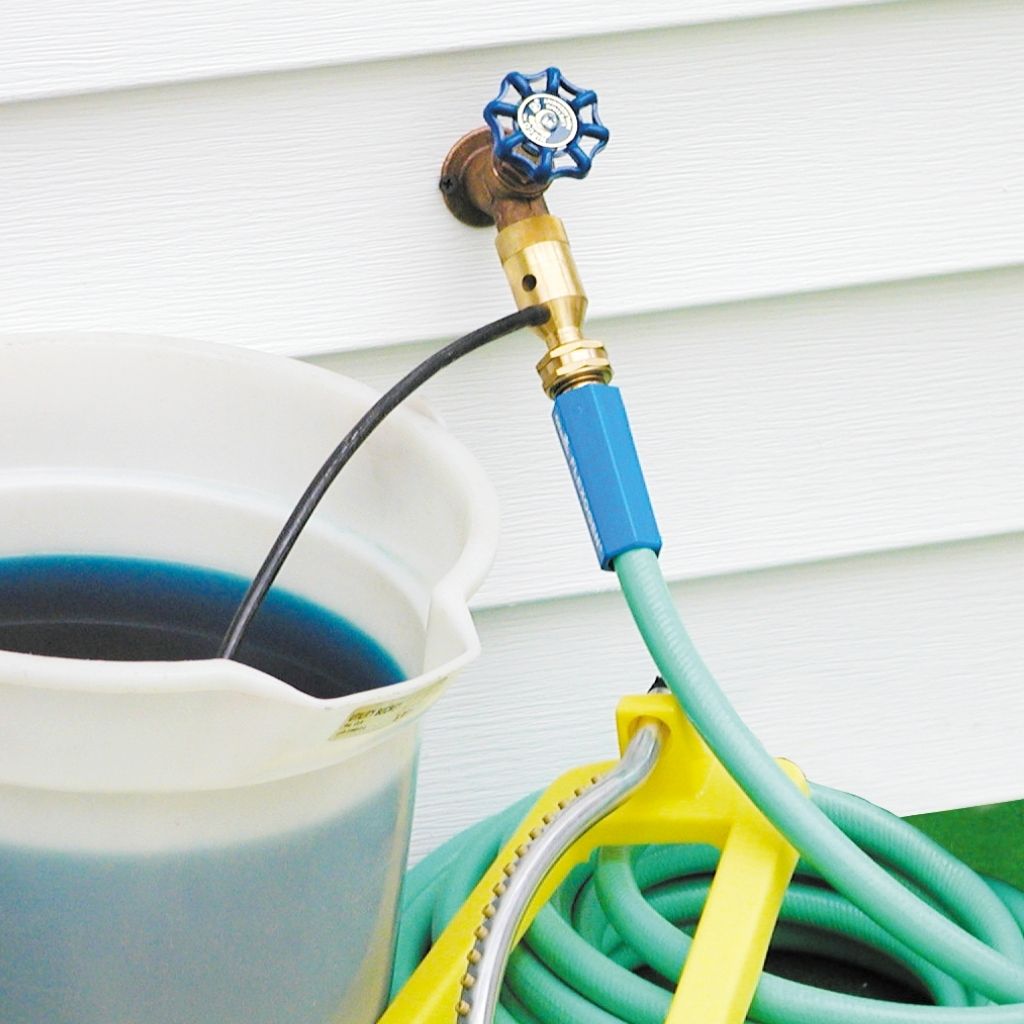
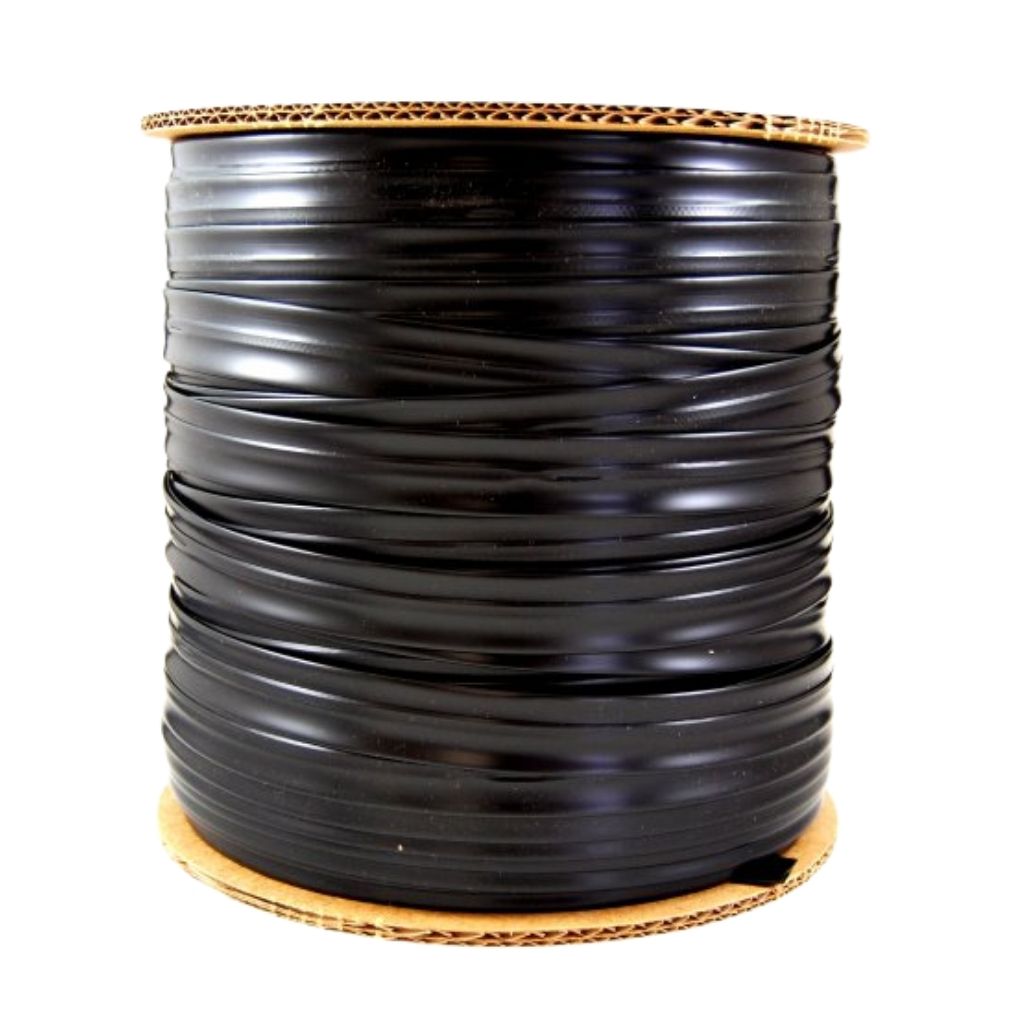
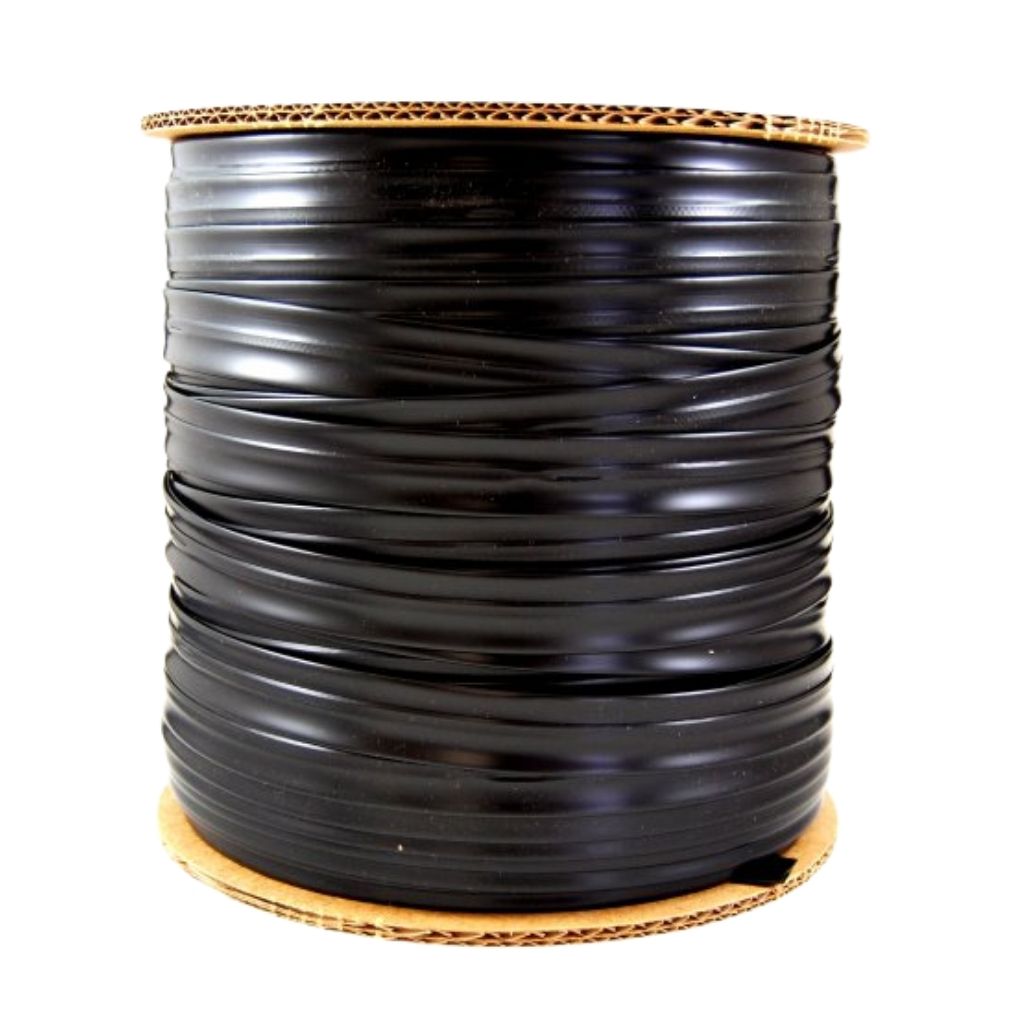
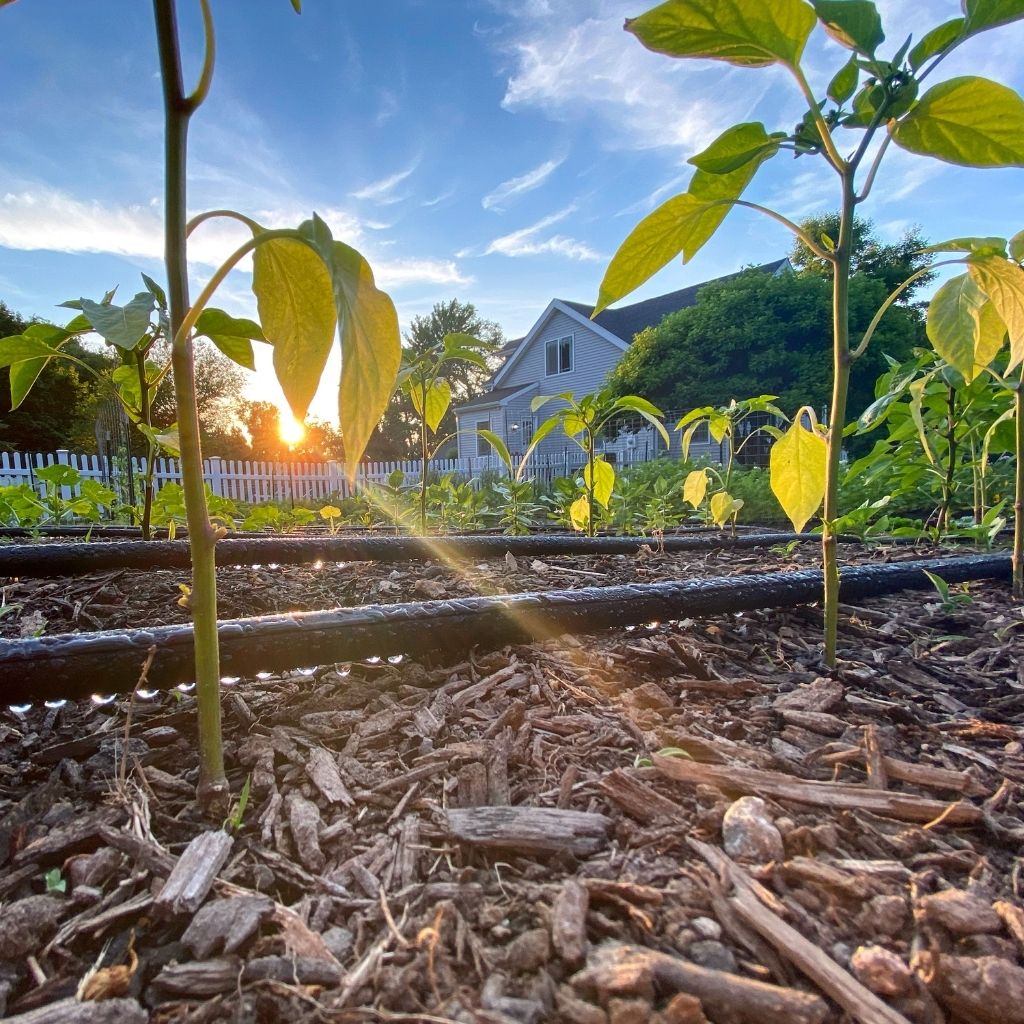
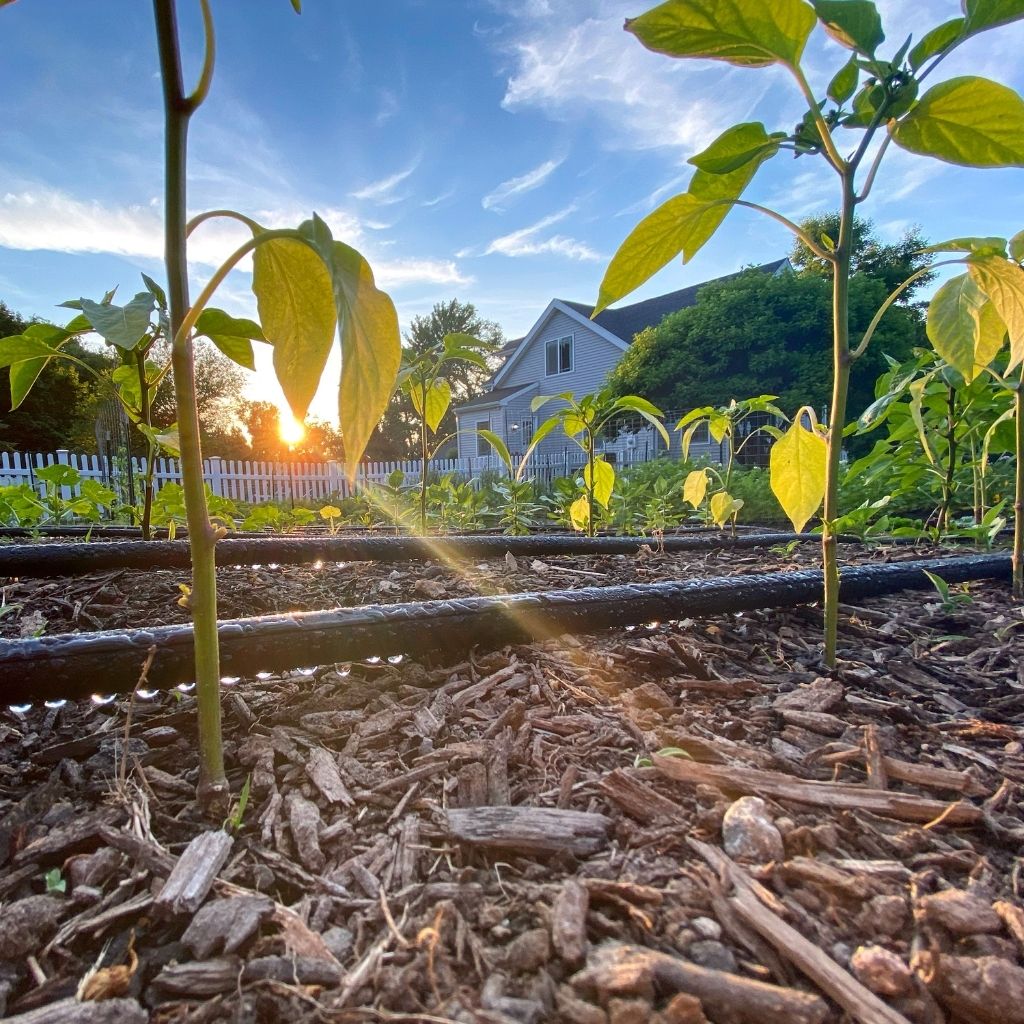
Frozen water can crack hoses, fittings, and irrigation lines. Disconnect, drain, and store all
drip irrigation and
watering supplies in a dry place.
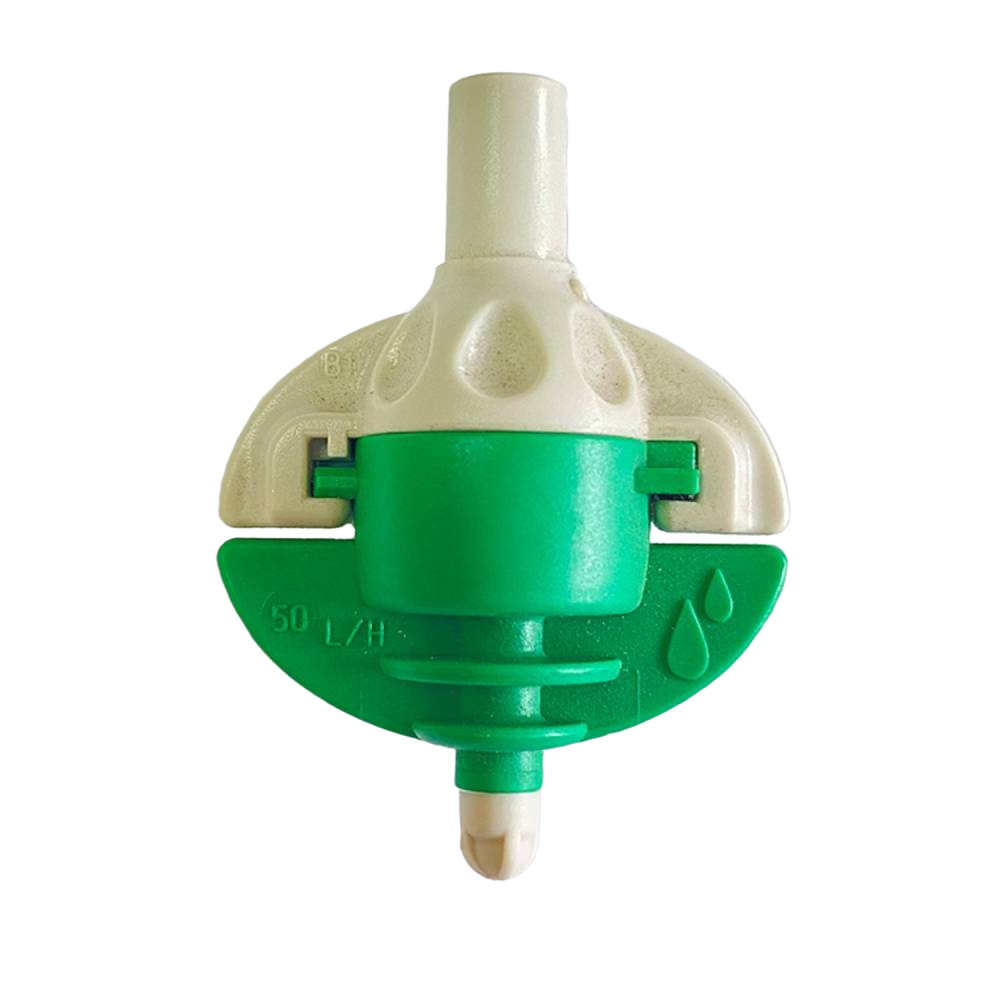
If you use
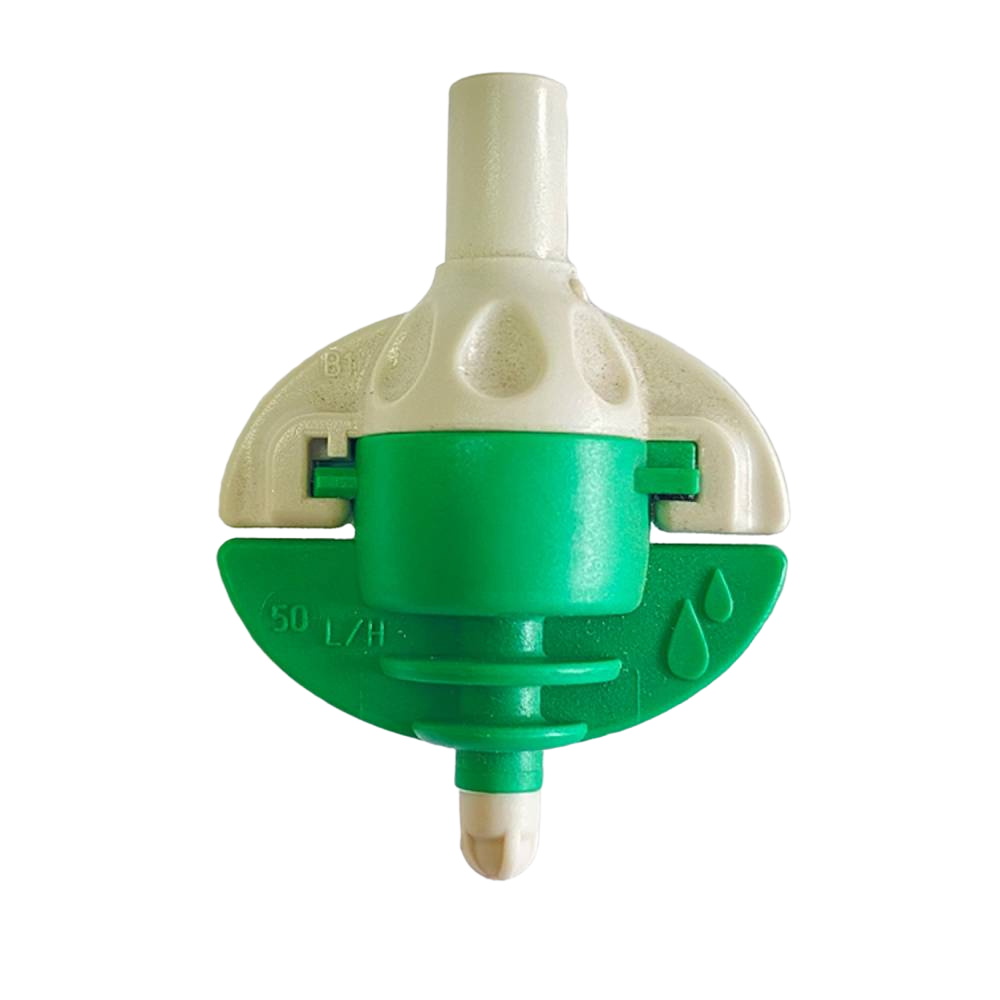
Fogg-It nozzles or similar sprayers, clean them thoroughly and store them indoors to prevent mineral buildup and rust.
🪴 Step 5: Prepare Containers and Tools
Empty your nursery pots and planters, brush off soil, and store them upside down so they don’t fill with water or freeze. Clean and oil your garden tools to prevent rust and extend their lifespan.
🌤️ Bonus Tip: Protect Your Winter Crops and Greenhouse Plants
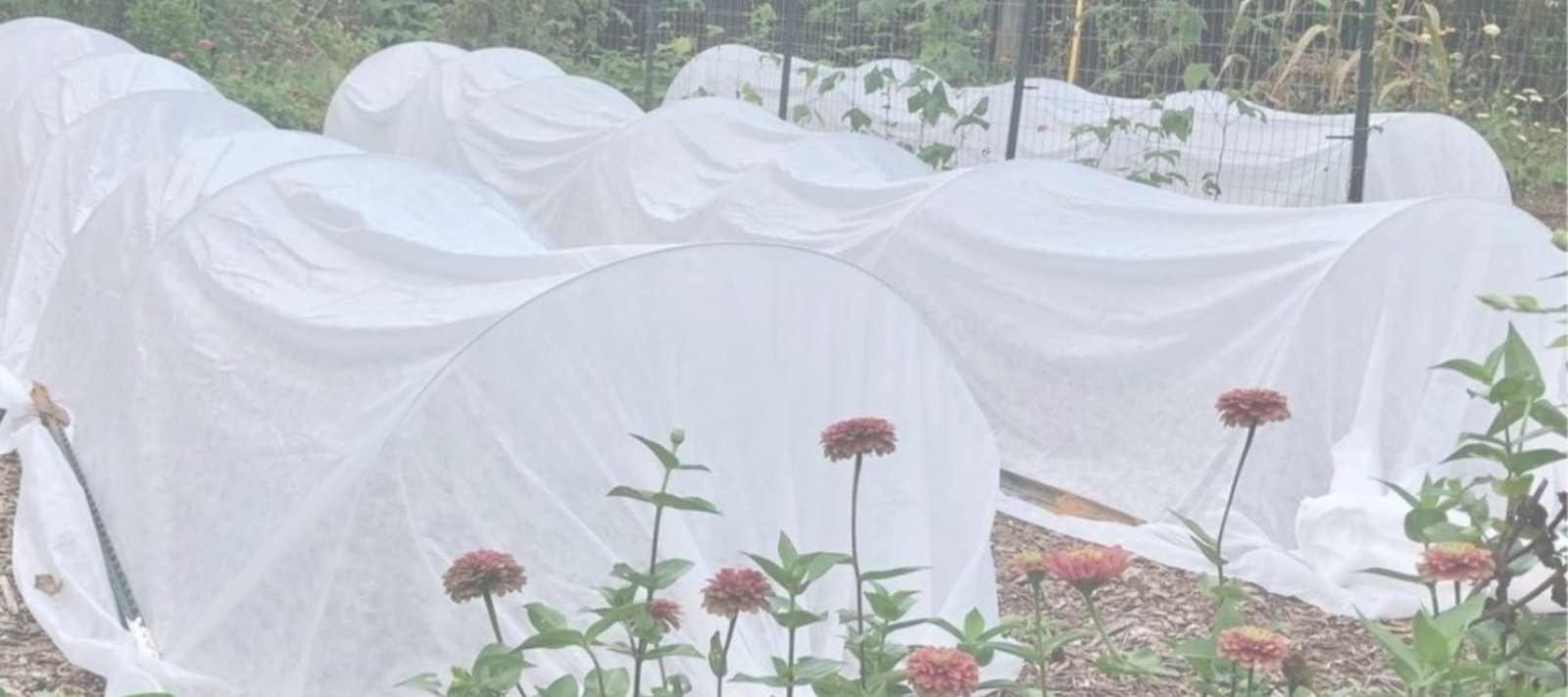
If you plan to grow cool-season crops like kale, spinach, or carrots through winter, cover them with Ag Frost Blanketsfor insulation. These lightweight covers shield plants from frost while allowing sunlight, air, and moisture to reach them — keeping your garden productive even during the cold months.
🌻 Final Thoughts
Winterizing your garden might take a little time now, but it pays off with a thriving, pest-free, and nutrient-rich growing space next spring. Whether you use frost blankets, ground cover, or simply a good layer of mulch, a little preparation goes a long way in protecting your hard work year-round.
🛠️ Shop Grower’s Solution Winter Essentials
Keep your garden protected and ready for spring with products from Grower’s Solution:
-
🧣 Ag Frost Blankets – Protect delicate plants from frost, wind, and cold snaps.
-
🌿 Polypropylene Woven Ground Cover – Keep weeds down and soil stable all winter long.
-
💧 Drip Irrigation Supplies – Efficient watering systems designed to last through every season.
-
🪴 Nursery Pots – Durable, reusable pots perfect for overwintering plants.
Prepare now and let your garden rest easy through the winter — you’ll be rewarded with a healthier, more productive start when spring arrives! 🌼