









 $34.96


pawpaw
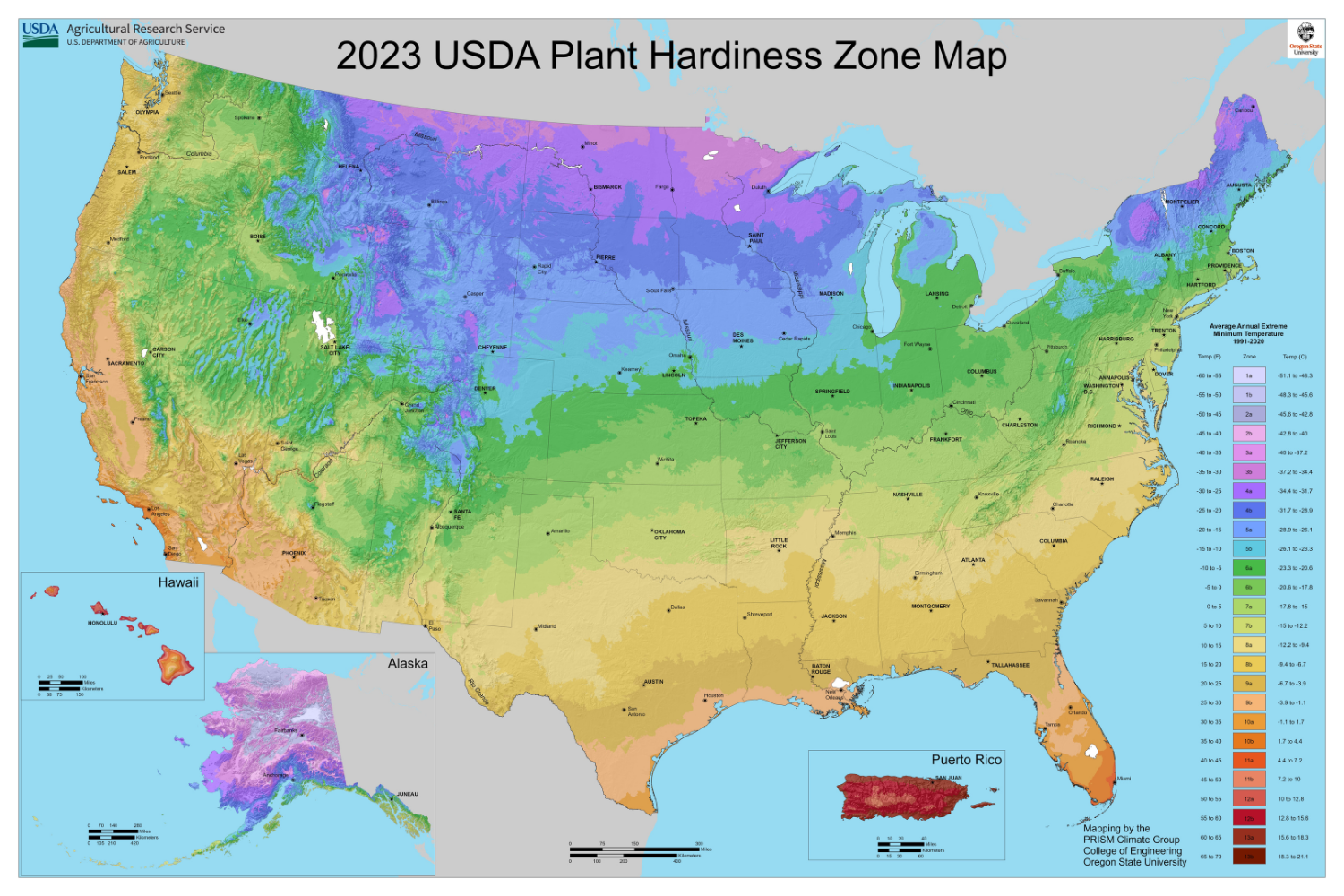
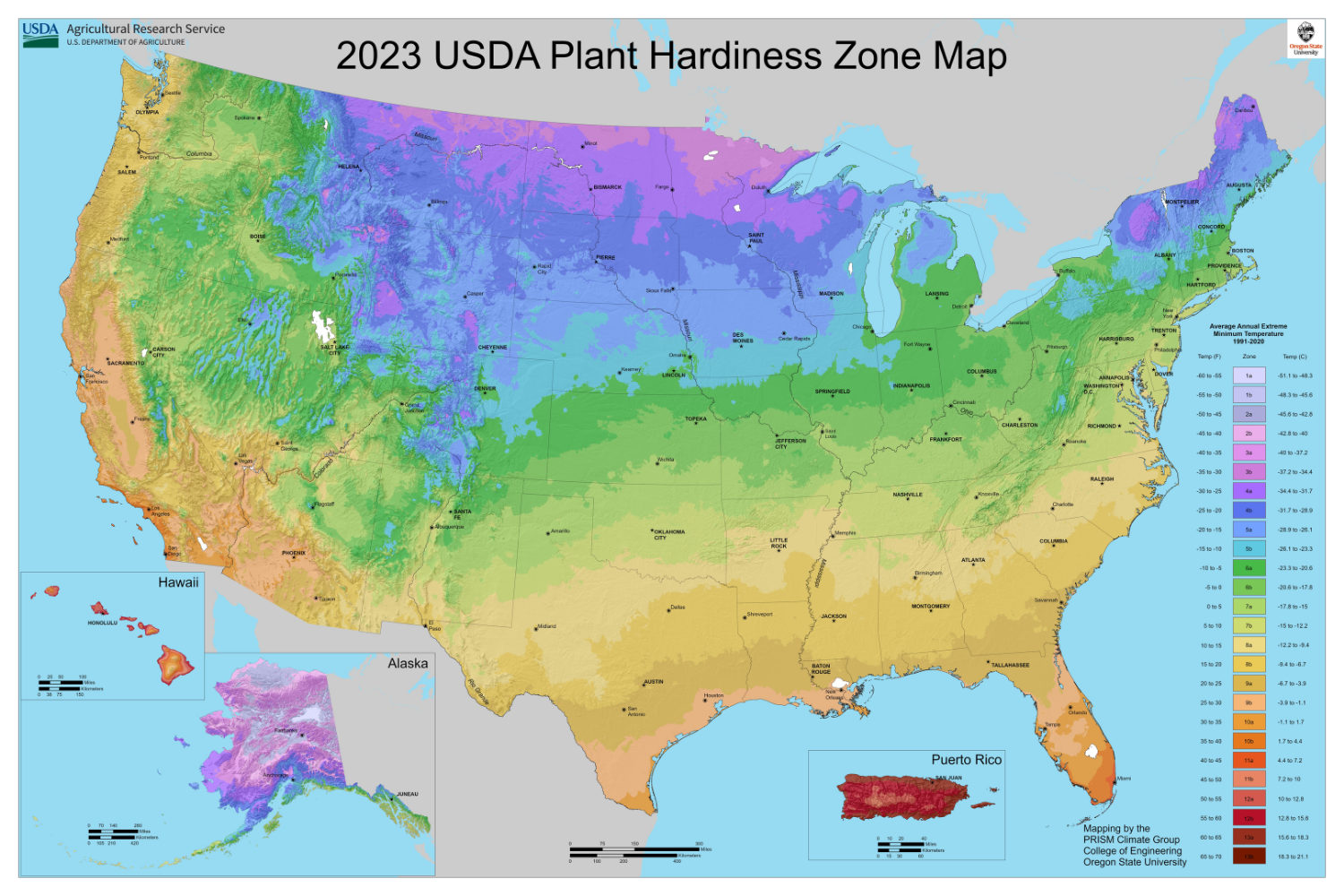
Hardiness Zone: 5 - 9
Bring a taste of the tropics to your own backyard with the Pawpaw Tree (Asimina triloba). Native to the eastern United States, the pawpaw is the largest edible fruit native to North America, producing soft, creamy fruit with a rich, sweet flavor often compared to a blend of banana, mango, and custard.
Beyond its delicious fruit, the pawpaw is a handsome, low-maintenance tree with large, lush, tropical-looking leaves and a naturally attractive, pyramidal form. Its unusual maroon spring flowers give way to clusters of green fruit that ripen to yellow in early fall. Whether planted as part of an edible landscape, a backyard orchard, or a native garden, the Pawpaw Tree is a conversation-starting addition that rewards patient gardeners with a truly unique harvest.
Few fruit trees offer the same combination of novelty and good looks as the Pawpaw. In spring, small maroon flowers appear on the branches, pollinated mostly by flies and beetles rather than bees. As the season progresses, the tree's large, drooping leaves create a dense, tropical canopy, and by early fall, clusters of green fruit begin to ripen and turn yellow.
When fully ripe, the fruit softens and drops from the tree. The creamy, sweet flesh can be eaten fresh, scooped with a spoon, or used in smoothies, ice cream, and baked goods. Because pawpaw fruit is delicate and does not store or ship well, growing your own is one of the best ways to enjoy it.
The Pawpaw Tree is a versatile small to medium tree that fits a wide range of landscape needs. Plant it in a backyard orchard, along the edge of a woodland garden, or as an unusual edible accent in a native planting. Its naturally suckering habit also lets it form attractive groves over time.
For fruit production, plan on planting at least two pawpaw trees. Pawpaws are generally not self-fertile, so having two genetically different trees nearby is the best way to improve pollination and fruit set. Because your tree arrives in a 1-gallon trade pot, it is easy to handle and plant while it establishes its root system, and it is an economical way to start a small grove.
Keep the soil consistently moist while your tree is becoming established. Pay particular attention to watering while the tree is still in its 1-gallon container, as smaller containers can dry out more quickly during hot or windy weather.
After planting, water deeply and regularly, especially during dry spells. Established trees tolerate some drought, but regular watering through the growing season supports better growth and fruit production. A layer of mulch around the root zone can help conserve moisture and moderate soil temperatures.
Young pawpaw trees appreciate some protection from intense sun and benefit from partial shade during their first season or two while they establish. As they mature, pawpaws prefer full sun to partial shade, with plenty of sun producing the best growth and fruit.
Plant in deep, fertile, well-drained, slightly acidic soil. Pawpaws do not perform well in poorly drained soil or very alkaline conditions.
Pawpaws generally do not require heavy fertilization. If additional nutrients are needed, apply a balanced fertilizer in spring and avoid high-nitrogen products. A top dressing of compost or leaf mold also works well.
Little pruning is needed. Prune in late winter or early spring to remove dead or damaged branches and to maintain a strong central leader. Remove unwanted root suckers if you prefer a single-trunk tree.
| Common Name | Pawpaw Tree |
|---|---|
| Botanical Name | Asimina triloba |
| Plant Type | Deciduous Fruit Tree |
| Hardiness Zone | 5 - 9 |
| Container Size | 1-Gallon Trade Pot |
| Sunlight | Partial Shade When Young; Full Sun to Partial Shade at Maturity |
| Soil | Deep, Fertile, Well-Drained, Slightly Acidic |
| Mature Size | 15-25 ft. Tall |
| Pollination | Plant Two or More Trees for Best Fruit Set |
| Fruit | Large, Soft, Custard-Like Fruit; Ripens Early Fall |
| Landscape Use | Edible Landscape, Backyard Orchard, Native Garden & Specimen |
Do I need more than one pawpaw tree to get fruit?
Yes, for the best fruit production, plant at least two pawpaw trees. Pawpaws are generally not self-fertile and need cross-pollination from a genetically different tree nearby.
How long until my pawpaw tree produces fruit?
Pawpaw trees typically take several years to begin bearing fruit, often around four to eight years after planting, depending on growing conditions and tree vigor.
What does pawpaw fruit taste like?
Pawpaw fruit has a soft, creamy, custard-like texture and a sweet, tropical flavor often compared to a blend of banana and mango, with hints of citrus or vanilla.
What hardiness zones is the pawpaw suited for?
Pawpaw is generally hardy in USDA Hardiness Zones 5 through 9, making it a reliable choice for much of the eastern and central United States.
Does a pawpaw need full sun?
Young trees benefit from partial shade while they establish. Mature trees grow and fruit best with plenty of sun, though they tolerate partial shade.
How often should I water my pawpaw tree?
While your tree is in its 1-gallon trade pot, check the soil regularly and water thoroughly when the soil begins to dry. Containers can dry out quickly during hot or windy weather. After planting, water regularly, especially during dry spells, keeping soil consistently moist but not soggy.
How big will my 1-gallon pawpaw be when it arrives?
Your pawpaw is shipped as a young tree in a 1-gallon trade pot. Because plants are living products, actual height, branching, and overall shape can naturally vary depending on the season and growing conditions.
When is the best time to plant my pawpaw tree?
Pawpaw can generally be planted when weather and soil conditions are suitable. Mild weather is ideal for reducing transplant stress. Avoid planting when the ground is frozen or during periods of extreme heat, and provide consistent moisture after planting.
Do deer eat pawpaw trees?
Pawpaws are generally avoided by deer, but protecting very young trees with a cage or guard during their first seasons is still a good idea.
When do pawpaw fruits ripen?
Fruit typically ripens in early fall, beginning around September in many regions, and drops from the tree when ripe. Harvest promptly, since ripe fruit spoils quickly; refrigeration helps extend its shelf life.
Can I keep my pawpaw in its 1-gallon pot?
The 1-gallon trade pot is intended primarily for growing and shipping the young tree rather than as a permanent container. For the best long-term growth, we recommend planting your pawpaw in the landscape or transplanting it into a larger container as it grows, since it develops a deep root system.
Whether you're starting an edible landscape, planting a backyard orchard, or adding a unique native tree to your garden, the Pawpaw Tree delivers lush foliage, deer resistance, and a one-of-a-kind tropical-tasting harvest.
Plant Pawpaw Trees today and enjoy a rare native fruit that's hard to find at any store.