












 $34.96


purpleleafsandcherry
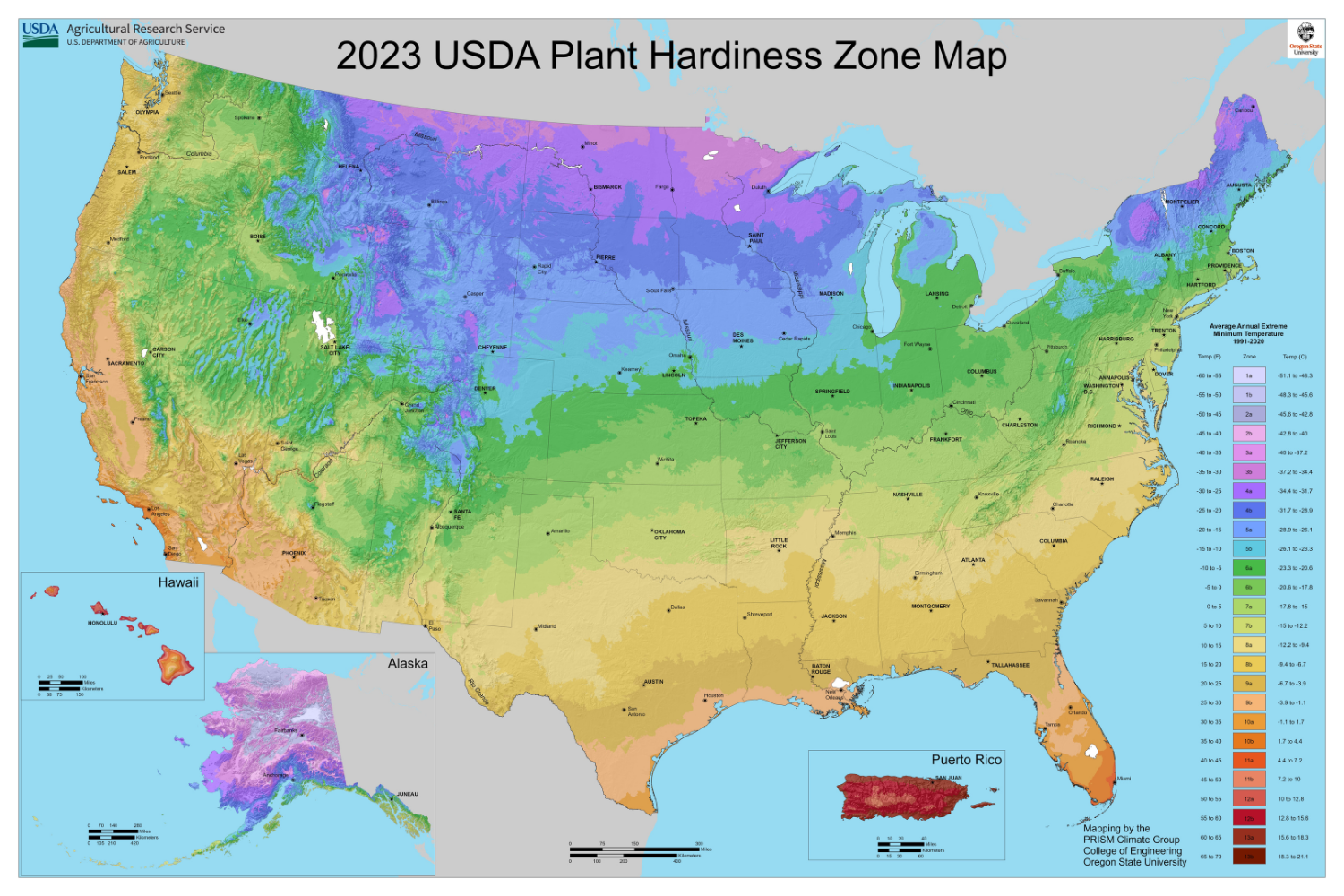
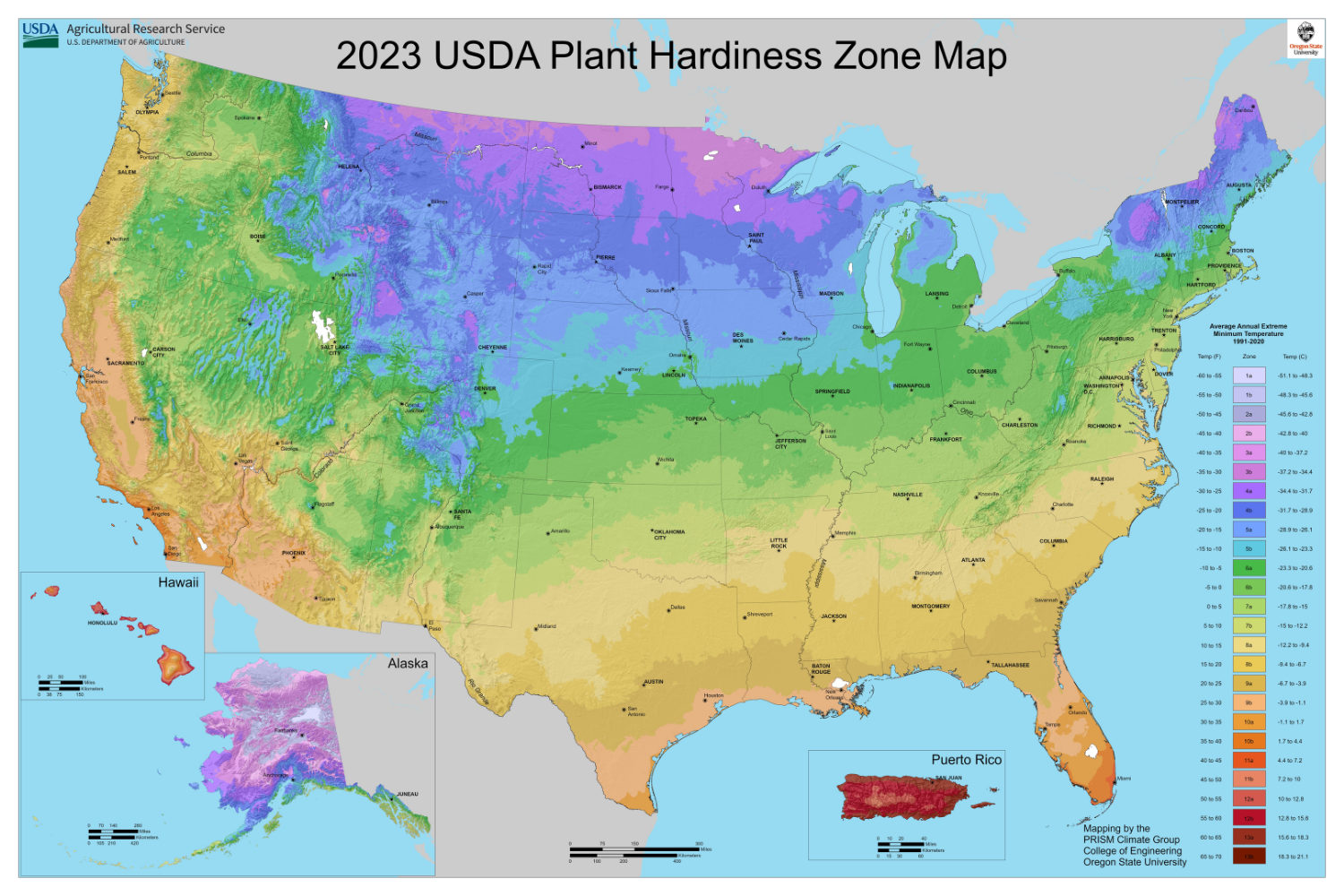
Hardiness Zone: 2 - 8
Add a touch of dramatic color to your landscape with the Purple Leaf Sandcherry (Prunus x cistena). Known for its deep reddish-purple foliage and fragrant spring blooms, this compact ornamental shrub creates a beautiful focal point in gardens, hedgerows, borders, and smaller landscape spaces.
Its rich purple leaves hold their color from spring through fall, providing season-long contrast against green lawns and garden plants, while delicate pink-to-white flowers appear along the branches in spring before the foliage fully emerges. Whether planted as a standalone specimen, grouped into a hedge, or incorporated into a mixed border, the Purple Leaf Sandcherry adds bold color and texture without overwhelming the surrounding landscape.
Few ornamental shrubs offer the same combination of color and hardiness as the Purple Leaf Sandcherry. Its deep purple-red foliage emerges in spring and holds its intense color throughout the summer and into fall, making it one of the most reliable sources of season-long color in the landscape.
In early spring, small clusters of fragrant pink-white flowers line the branches before the foliage fully develops, followed later in the season by small dark fruit that adds interest for birds and wildlife. Even after leaves drop, the shrub's rounded form continues to add structure to the landscape.
The Purple Leaf Sandcherry is a versatile shrub that can complement a wide variety of landscape styles. Use it as a focal point in a garden bed, plant several in a row to form a colorful hedge, or incorporate it into a mixed border for season-long contrast.
Because your plant arrives in a 1-gallon trade pot, it is easy to handle and plant while it establishes its root system. Give your young shrub plenty of room to grow and enjoy watching it develop into a full, colorful landscape specimen over time.
Keep the soil consistently moist while your plant is becoming established. Pay particular attention to watering while the plant is still in its 1-gallon container, as smaller containers can dry out more quickly during hot or windy weather.
After planting, water deeply and regularly until the root system becomes established. During periods of hot or dry weather, check the soil regularly and provide additional water when needed. A layer of mulch around the root zone can help conserve moisture and moderate soil temperatures.
Purple Leaf Sandcherry performs best in full sun, which brings out the most vibrant purple foliage color and encourages the best flowering. It will tolerate partial shade, but foliage color and bloom production may be reduced.
Plant in fertile, well-draining soil. Purple Leaf Sandcherry is tolerant of a wide range of soil types, including sandy and poor soils, but performs best when it does not sit in constantly saturated soil.
Purple Leaf Sandcherry generally does not require heavy fertilization. Once established, if additional nutrients are needed, use a balanced fertilizer formulated for trees and shrubs and follow the manufacturer's application instructions.
Prune after flowering to maintain shape and encourage dense, healthy growth. Allow your young plant to establish before doing significant pruning, and remove dead, damaged, or crossing branches as needed to maintain its natural form.
| Common Name | Purple Leaf Sandcherry |
|---|---|
| Botanical Name | Prunus x cistena |
| Plant Type | Deciduous Ornamental Shrub |
| Hardiness Zone | 2 - 8 |
| Container Size | 1-Gallon Trade Pot |
| Sunlight | Full Sun to Partial Shade |
| Soil | Well-Drained; Tolerant of Sandy and Poor Soils |
| Foliage Color | Reddish-Purple |
| Landscape Use | Specimen, Hedge, Border, Screen & Mixed Plantings |
Does a Purple Leaf Sandcherry need full sun?
Purple Leaf Sandcherry performs best in full sun, which produces the most vibrant purple foliage and the best flowering. It will tolerate partial shade, but color and bloom production may be reduced.
What hardiness zones is the Purple Leaf Sandcherry suited for?
Purple Leaf Sandcherry is hardy across USDA Hardiness Zones 2 through 8, making it a reliable choice for landscapes in cold northern climates as well as warmer southern regions.
Where should I plant my Purple Leaf Sandcherry?
Choose a location with well-drained soil and full sun exposure for the best foliage color. Purple Leaf Sandcherry makes a beautiful addition to garden beds, borders, hedgerows, and entryways where its colorful foliage can be appreciated.
How often should I water my Purple Leaf Sandcherry?
While your plant is in its 1-gallon trade pot, check the soil regularly and water thoroughly when the soil begins to dry. Containers can dry out quickly during hot or windy weather. After planting, continue watering regularly until the plant becomes established.
How big will my 1-gallon Purple Leaf Sandcherry be when it arrives?
Your Purple Leaf Sandcherry is shipped as a young plant in a 1-gallon trade pot. Because plants are living products, actual height, branching, and overall shape can naturally vary depending on the season and growing conditions.
When is the best time to plant my Purple Leaf Sandcherry?
Purple Leaf Sandcherry can generally be planted when weather and soil conditions are suitable. Mild weather is ideal for reducing transplant stress. Avoid planting when the ground is frozen or during periods of extreme heat, and provide consistent moisture after planting.
Does a Purple Leaf Sandcherry need to be pruned?
Pruning after flowering helps maintain a tidy shape and encourages dense growth. Once established, remove dead, damaged, or crossing branches as needed to maintain the plant's natural form.
Can I keep my Purple Leaf Sandcherry in its 1-gallon pot?
The 1-gallon trade pot is intended primarily for growing and shipping the young plant rather than as a permanent container. For the best long-term growth, we recommend planting your Sandcherry in the landscape or transplanting it into a larger, appropriately sized container as it grows.
Can I use Purple Leaf Sandcherry as a hedge?
Yes. Purple Leaf Sandcherry is a popular choice for informal hedges and privacy screens thanks to its dense, rounded growth habit and season-long purple foliage. Space plants according to your desired hedge density and mature width.
Whether you're creating a new garden bed, planting a colorful hedge, or adding contrast to an established landscape, the Purple Leaf Sandcherry brings bold color, fragrant spring blooms, and reliable hardiness to your space.
Plant a Purple Leaf Sandcherry today and watch your young shrub grow into a beautiful landscape focal point for years to come.