








 $34.96


annmagnolia-3
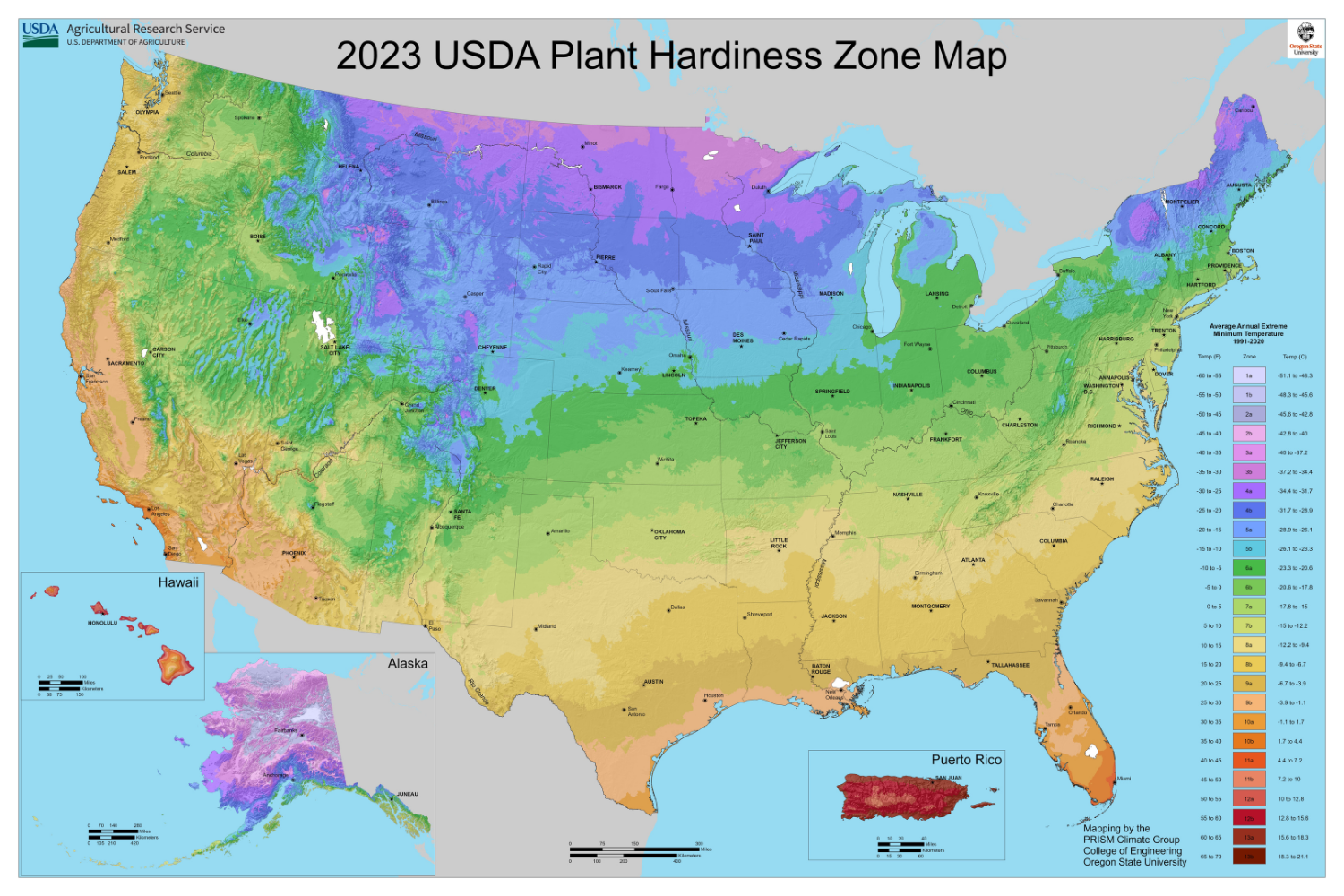
Hardiness Zone: 4 - 8
Add a compact, show-stopping flowering tree to your landscape with the Ann Magnolia (Magnolia 'Ann'). A member of the beloved "Little Girl" hybrid series developed at the U.S. National Arboretum, Ann is prized for its deep red-purple, tulip-shaped blooms and a size that fits where traditional magnolias simply won't.
Its fragrant, goblet-shaped flowers open from tapered buds and cover the bare branches in early to mid-spring, putting on a bold display before the leaves emerge. Because the Little Girl hybrids bloom later than many early-spring magnolias, the flowers are less likely to be caught by late frosts. With an upright, shrubby habit that matures at roughly 8-10 feet tall and wide, Ann is a perfect fit for foundation plantings, mixed borders, and small yards. Whether planted as a specimen, a flowering hedge, or a small ornamental tree, the Ann Magnolia delivers dramatic spring color in a manageable size.
Few flowering trees combine dramatic blooms and compact size the way the Ann Magnolia does. Developed in the Little Girl series by crossing Lily Magnolia and Star Magnolia parentage, Ann brings together the rich flower color of one and the cold hardiness and compact form of the other.
In spring, large, sweetly scented, purple-red flowers cover the bare branches in a bold display. As the blooms fade, fresh green foliage emerges and fills out an upright, multi-stemmed form that stays attractive throughout the growing season.
The Ann Magnolia is a versatile small tree that fits a wide range of landscape needs. Plant it as a lawn specimen, tuck it into a foundation planting, anchor a mixed shrub border, or space several together to form a flowering hedge or screen.
Because your tree arrives in a 2.5" pot or a 1-gallon trade pot, it is easy to handle and plant while it establishes its root system. Choose your planting location carefully, since magnolias have fleshy roots that dislike being disturbed once established, and give your young magnolia plenty of room to grow into its mature size.
Keep the soil consistently moist while your tree is becoming established. Pay particular attention to watering while the tree is still in its 2.5" pot or 1-gallon container, as smaller containers can dry out more quickly during hot or windy weather.
After planting, water deeply and regularly until the root system becomes established. Magnolias prefer evenly moist soil but do not tolerate overly wet, waterlogged ground. A layer of mulch around the root zone can help conserve moisture and moderate soil temperatures.
Ann Magnolia performs best in full sun to partial shade, with at least 4-6 hours of direct sun daily. Full sun encourages the heaviest flowering, while a little afternoon shade can be beneficial in areas with intense summer heat.
Plant in fertile, moist, well-draining soil that is slightly acidic. Avoid sites that stay soggy or dry out completely, as magnolias perform best with consistent moisture and good drainage.
Ann Magnolia generally does not require heavy fertilization. Once established, if additional nutrients are needed, use a balanced fertilizer formulated for acid-loving trees and shrubs in early spring and follow the manufacturer's application instructions.
Little pruning is needed. Allow your young tree to establish, then prune only as needed to remove dead, damaged, or crossing branches. If shaping is desired, prune immediately after flowering to avoid removing next year's flower buds.
| Common Name | Ann Magnolia |
|---|---|
| Botanical Name | Magnolia 'Ann' |
| Plant Type | Deciduous Flowering Tree / Large Shrub |
| Hardiness Zone | 4 - 8 |
| Container Size | 2.5" Pot or 1-Gallon Trade Pot |
| Sunlight | Full Sun to Partial Shade |
| Soil | Moist, Well-Drained, Slightly Acidic |
| Mature Size | 8-10 ft. Tall and Wide |
| Bloom Color | Red-Purple to Purple-Pink |
| Bloom Time | Early to Mid Spring (Possible Light Summer Rebloom) |
| Landscape Use | Specimen, Foundation Planting, Border, Flowering Hedge & Small Ornamental Tree |
What makes the Ann Magnolia different from other magnolias?
Ann stays much more compact than traditional magnolias, typically maturing at 8-10 feet, and as a Little Girl hybrid it blooms later than many early-spring magnolias, helping protect its deep purple flowers from frost.
Does an Ann Magnolia need full sun?
Ann Magnolia performs best in full sun to partial shade. Full sun produces the heaviest flowering, while a little afternoon shade can help in hot climates.
What hardiness zones is the Ann Magnolia suited for?
Ann Magnolia is generally hardy in USDA Hardiness Zones 4 through 8.
Where should I plant my Ann Magnolia?
Choose a location with moist, well-drained soil and enough room for its mature size. Because magnolias have fleshy roots that dislike disturbance, it is best to choose a permanent spot and avoid moving the tree once established.
How often should I water my Ann Magnolia?
While your tree is in its 2.5" pot or 1-gallon trade pot, check the soil regularly and water thoroughly when the soil begins to dry. Containers can dry out quickly during hot or windy weather. After planting, water regularly until the tree becomes established, and avoid soggy conditions.
How big will my Ann Magnolia be when it arrives?
Your Ann Magnolia is shipped as a young tree. Because plants are living products, actual height, branching, and overall shape can naturally vary depending on the season and growing conditions. Young magnolias may take a few seasons to reach full flowering size.
When is the best time to plant my Ann Magnolia?
Ann Magnolia can generally be planted when weather and soil conditions are suitable. Mild weather is ideal for reducing transplant stress. Avoid planting when the ground is frozen or during periods of extreme heat, and provide consistent moisture after planting.
Does an Ann Magnolia need to be pruned?
Very little pruning is needed. Remove dead, damaged, or crossing branches as necessary, and if you want to shape the tree, prune right after flowering so you don't remove next year's flower buds.
Can I keep my Ann Magnolia in its 2.5" pot ot 1-gallon pot?
The 1-gallon trade pot is intended primarily for growing and shipping the young tree rather than as a permanent container. For the best long-term growth, we recommend planting your magnolia in the landscape or transplanting it into a larger, appropriately sized container as it grows.
Can I use Ann Magnolia as a hedge?
Yes. Its compact, upright, multi-stemmed habit makes it a nice choice for a flowering hedge or screen. Space plants roughly 6-8 feet apart to allow room for mature growth.
Whether you're anchoring a foundation planting, creating a flowering hedge, or adding a show-stopping specimen to your lawn, the Ann Magnolia delivers fragrant, richly colored blooms, frost-smart timing, and a compact form that fits nearly any landscape.
Plant an Ann Magnolia today and enjoy dramatic spring blooms for years to come.