














 $34.96

kousadogwood
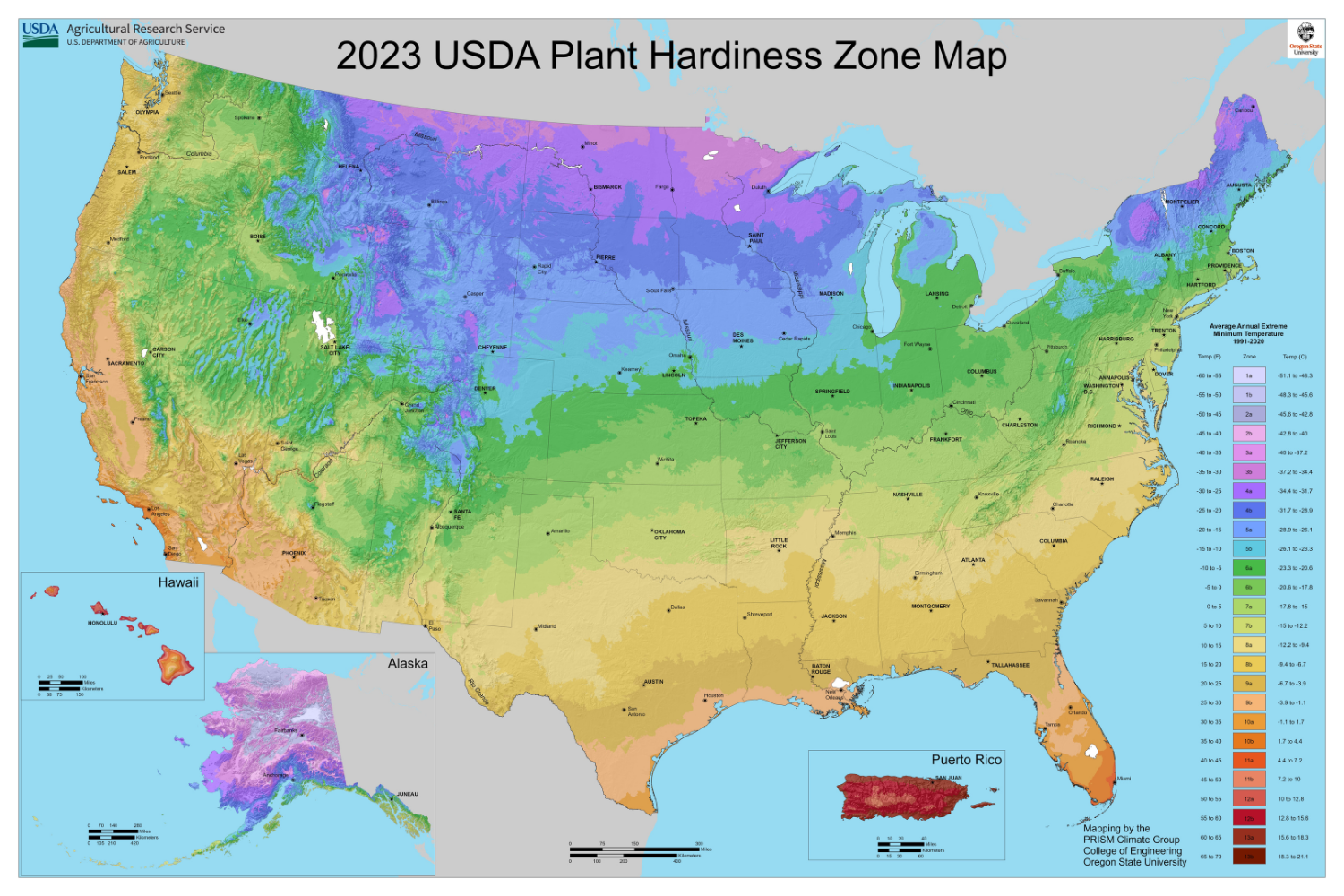
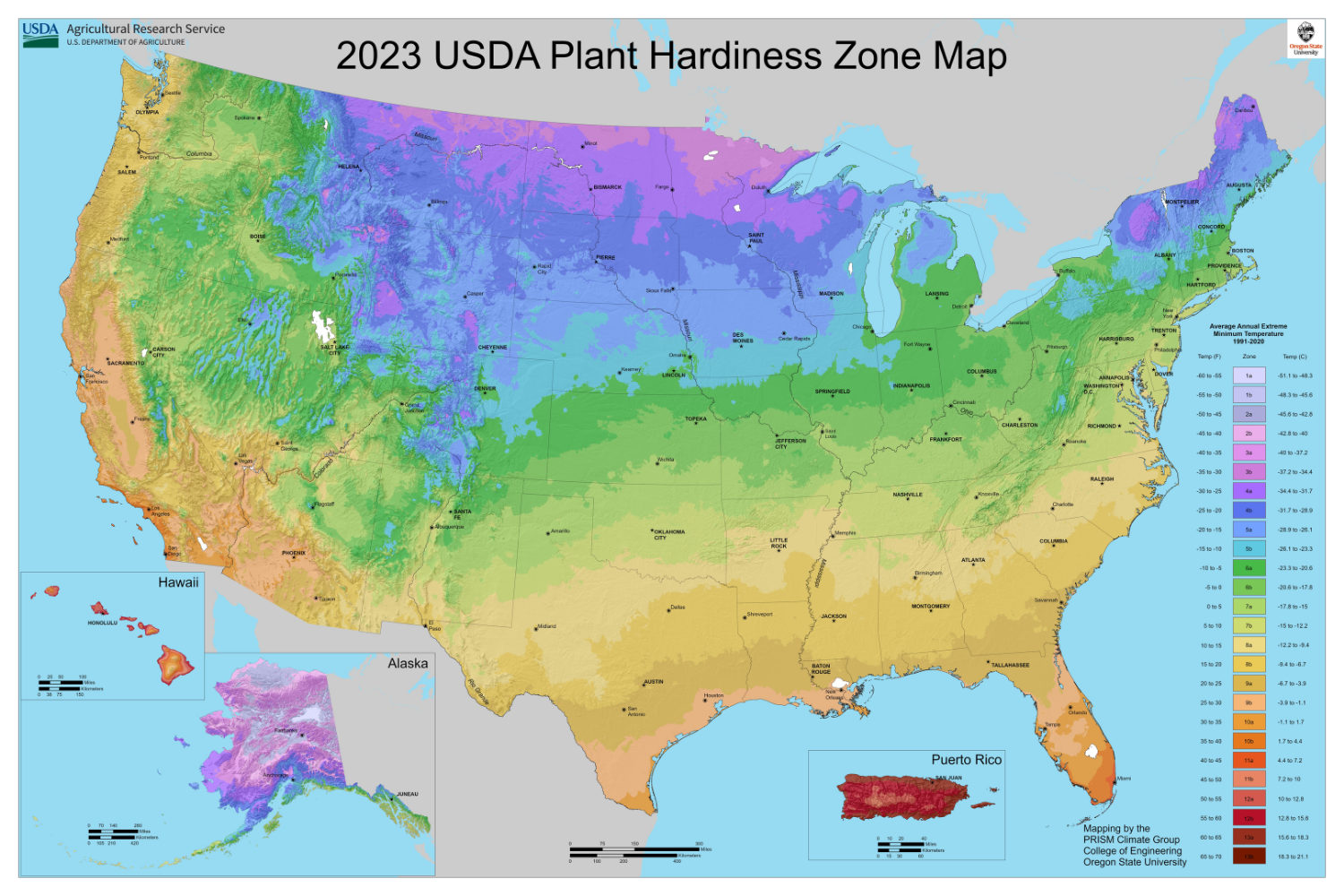
Hardiness Zone: 5 - 8
Shipped in a 4" Pot
Add a graceful, multi-season flowering tree to your landscape with the Kousa Dogwood (Cornus kousa). Native to Asia, this elegant small tree blooms after most other dogwoods, putting on a spectacular display of white, star-shaped bracts in late spring, followed by raspberry-like fruit, brilliant fall color, and attractive peeling bark that adds winter interest.
Unlike native flowering dogwoods, the Kousa Dogwood resists anthracnose, a disease that often troubles its American cousin, making it a tougher, more reliable choice for many landscapes. Whether planted as a specimen near the patio, tucked into a woodland edge, or used as a small street tree, the Kousa Dogwood delivers beauty in every season.
Few small trees offer the same combination of beauty and toughness as the Kousa Dogwood. In late spring to early summer, its horizontal branches become layered with white, pointed bracts that persist for several weeks, giving the tree a floating, cloud-like appearance. The true flowers are small and tucked in the center of each bract.
By late summer, the tree produces round, pinkish-red, raspberry-like fruit that attracts birds and wildlife. As autumn arrives, the foliage transitions to reddish-purple and scarlet, and as the tree matures, its bark begins to peel in attractive patches, adding color and texture to the winter landscape.
The Kousa Dogwood is a versatile small tree that fits a wide range of landscape needs. Plant it as a specimen in an open lawn, near a patio or entryway where its blooms and bark can be appreciated up close, or at the edge of a woodland garden where it can enjoy light shade.
Because your plant arrives in a 4" pot, it is easy to handle and plant while it establishes its root system. This is a young starter plant, so plan to pot it up into a larger container or plant it into a protected bed and allow a few years of growth, since Kousa Dogwoods grow at a slow to moderate pace. Give your tree plenty of room, as it matures into a broad, rounded form 20-30 feet tall and wide.
Your plant arrives in a small 4" pot, so it has limited root space and will dry out more quickly than a larger container. Water it promptly on arrival, keep it out of harsh afternoon sun and wind at first, and plan to transplant it into a larger pot or a prepared garden bed once it has settled in and begun to grow.
Keep the soil consistently moist while your tree is becoming established. Small pots can dry out quickly in hot or windy weather, so check them often. After planting, water deeply and regularly until the root system becomes established. Kousa Dogwood has shallow roots, so a few inches of mulch around the root zone helps conserve moisture and moderate soil temperatures. Once established, it is more drought tolerant than native flowering dogwood but still appreciates watering during extended dry spells.
Kousa Dogwood performs best in full sun to partial shade. In hot climates, light afternoon shade helps keep the foliage looking its best, while full sun generally encourages the heaviest flowering in cooler regions.
Plant in moist, well-draining, slightly acidic soil. Kousa Dogwood tolerates a range of soils but can develop yellowing leaves in high-pH soils and may suffer root problems in heavy, poorly drained clay or waterlogged conditions.
Kousa Dogwood generally does not require heavy fertilization. Once established, if additional nutrients are needed, use a balanced fertilizer formulated for acid-loving trees and shrubs in early spring and follow the manufacturer's application instructions.
Little pruning is needed. Because flower buds form on old wood, prune soon after flowering if shaping is desired, and otherwise remove only dead, damaged, or crossing branches.
| Common Name | Kousa Dogwood |
|---|---|
| Botanical Name | Cornus kousa |
| Plant Type | Deciduous Flowering Tree |
| Hardiness Zone | 5 - 8 |
| Container Size | 4" Pot |
| Sunlight | Full Sun to Partial Shade |
| Soil | Moist, Well-Drained, Slightly Acidic |
| Mature Size | 20-30 ft. Tall and Wide |
| Bloom Color | White Bracts (Late Spring to Early Summer) |
| Fruit | Round, Pink-Red, Raspberry-Like (Late Summer to Early Fall) |
| Fall Color | Reddish-Purple to Scarlet |
| Landscape Use | Specimen, Small Tree, Woodland Edge & Pollinator Garden |
How is Kousa Dogwood different from native flowering dogwood?
Kousa Dogwood blooms about two to three weeks later than native flowering dogwood, has pointed rather than rounded bracts, and is resistant to anthracnose, a disease that often affects native dogwoods.
How big will my plant be when it arrives?
Your Kousa Dogwood is shipped as a young starter plant in a 4" pot. Because plants are living products, actual height, branching, and overall shape can vary depending on the season and growing conditions. It will need time to grow before reaching landscape size.
How long until my Kousa Dogwood blooms?
Young dogwoods typically take several years to begin flowering, and starter plants may take longer than larger nursery trees. Good care, consistent moisture, and the right light will help your tree reach flowering size sooner.
Should I plant my 4" Kousa Dogwood directly in the ground?
Small starter plants are usually best potted up into a larger container first so they can build a stronger root system. If planting directly into the garden, choose a protected location, keep the soil consistently moist, and protect the young plant from weeds, wind, and extreme weather.
What hardiness zones is the Kousa Dogwood suited for?
Kousa Dogwood is generally hardy in USDA Hardiness Zones 5 through 8.
Does a Kousa Dogwood need full sun?
Kousa Dogwood grows well in full sun to partial shade. In hot climates, light afternoon shade is beneficial, while full sun in cooler regions tends to produce the best flowering.
Is the fruit edible?
The fruit is considered edible but is most often left for birds and other wildlife. Fallen fruit can ferment and attract insects, so you may want to rake up fruit that drops near patios or walkways.
How often should I water my Kousa Dogwood?
Small 4" pots dry out quickly, so check often and water thoroughly when the soil begins to dry. After planting, water regularly until the tree becomes established, and avoid soggy conditions.
When is the best time to plant my Kousa Dogwood?
Kousa Dogwood can generally be planted when weather and soil conditions are suitable. Mild weather is ideal for reducing transplant stress. Avoid planting when the ground is frozen or during periods of extreme heat, and provide consistent moisture after planting.
Does a Kousa Dogwood need to be pruned?
Very little pruning is needed. Remove dead, damaged, or crossing branches as necessary, and prune soon after flowering if you want to shape the tree, so you don't remove next year's flower buds.
Can I keep my Kousa Dogwood in its 4" pot?
No. The 4" pot is intended for growing and shipping the young plant and offers limited root space. For the best growth, pot your dogwood up into a larger container or plant it in the landscape once it has settled in.
Whether you're planning a flowering specimen, a woodland edge planting, or an elegant small tree for your yard, the Kousa Dogwood delivers late-spring blooms, brilliant fall color, interesting fruit, and attractive bark, all in one tough, disease-resistant tree.
Order a Kousa Dogwood today and start growing a landscape showpiece that gets better with age.