







 $34.96


earlyamethyst-3
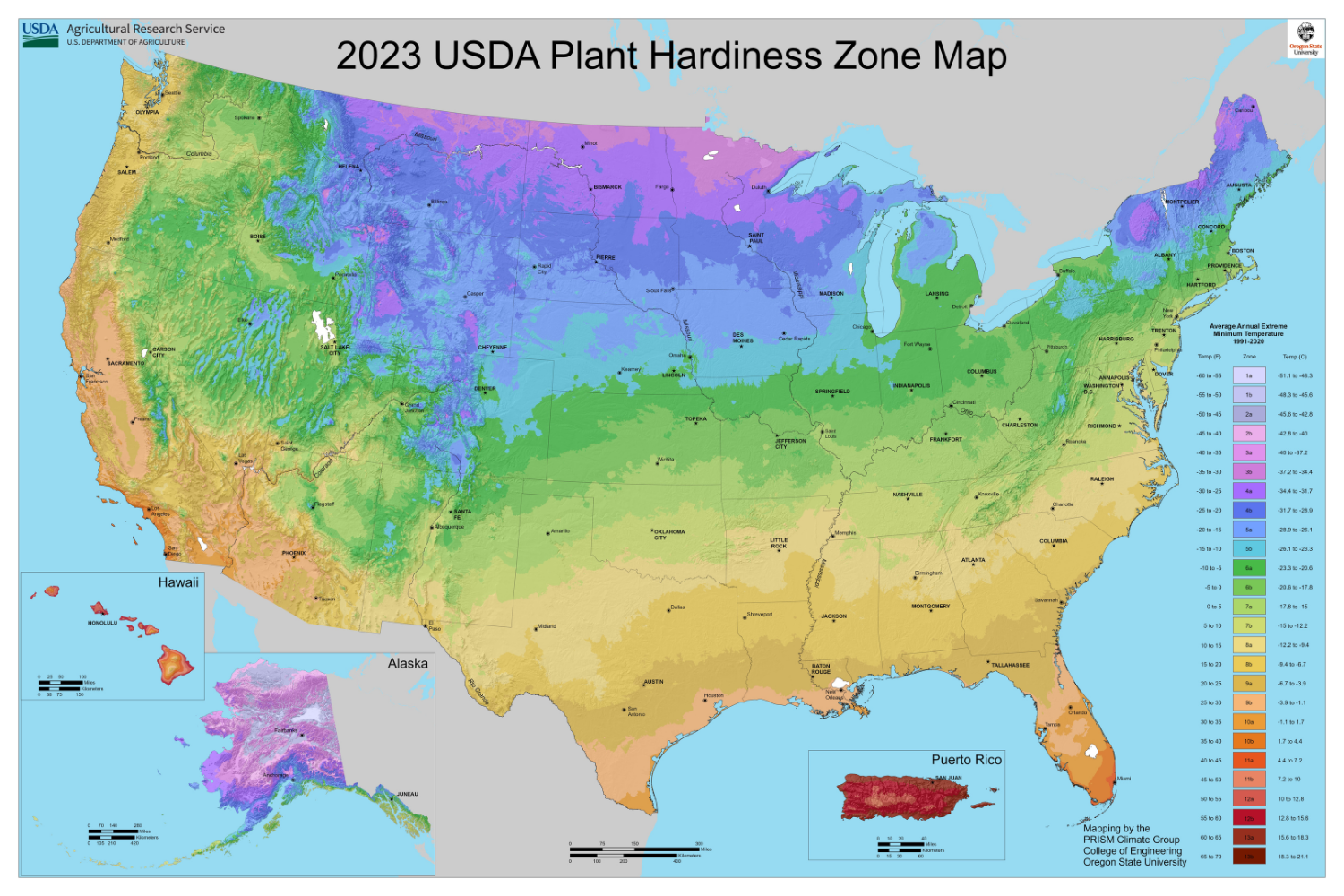
Hardiness Zone: 5 - 9
Add a truly unique splash of color to your landscape with the Early Amethyst Beautyberry (Callicarpa dichotoma 'Early Amethyst'). Famous for its clusters of vivid, bright lavender-purple berries that line the arching stems like beads on a string, this compact, easy-care shrub delivers a show unlike almost any other plant in the garden.
As its name suggests, Early Amethyst sets its berries earlier than many other beautyberry varieties, starting its display in early fall and giving you a longer season of color. Small pink flowers appear in late summer, followed by the dazzling berries that cover the stems from top to bottom. Whether planted as a specimen, massed in a border, or grouped for the heaviest fruit display, the Early Amethyst Beautyberry adds bold, jewel-toned color when many other plants are fading.
Few shrubs offer the same combination of unusual color and easy care as the Early Amethyst Beautyberry. Its graceful, arching stems carry long, elliptical leaves through the summer, with small pink flowers tucked along the branches in late summer.
By early fall, the stems become wrapped in tightly clustered, bright lavender-purple berries, a color that few other landscape plants can match. The berries are especially striking against green foliage and make an eye-catching accent in mixed borders, and they provide a seasonal food source for backyard birds.
The Early Amethyst Beautyberry is a versatile shrub that fits a wide range of landscape styles. Use it as a colorful accent in a mixed border, plant several together in a mass or informal hedge, or add it to a wildlife-friendly garden to provide late-season food for birds.
Because your plant arrives in a 2.5" pot or a 1-gallon trade pot, it is easy to handle and plant while it establishes its root system. Planting several beautyberries in a group helps encourage the heaviest berry production, so consider planting a few together for the best display.
Keep the soil consistently moist while your plant is becoming established. Pay particular attention to watering while the plant is still in its 1-gallon container, as smaller containers can dry out more quickly during hot or windy weather.
After planting, water deeply and regularly until the root system becomes established. Once established, Early Amethyst is drought tolerant, though occasional deep watering during extended dry spells will keep it looking its best. A layer of mulch around the root zone can help conserve moisture and moderate soil temperatures.
Early Amethyst Beautyberry performs best in full sun to partial shade. Full sun encourages the heaviest berry production, while partial shade is tolerated, though berry display may be reduced.
Plant in average, well-draining soil. Early Amethyst is adaptable to a range of soil types but performs best in soil that stays evenly moist without becoming waterlogged.
Early Amethyst Beautyberry seldom needs fertilizer. If additional nutrients are desired, a light application of balanced fertilizer in early spring is usually sufficient.
Because beautyberry blooms and fruits on the current season's growth, it can be cut back hard in early spring. Pruning hard keeps the plant smaller and more compact, and berries will still line the full length of the new stems. Remove any dead or damaged branches at the same time.
| Common Name | Early Amethyst Beautyberry |
|---|---|
| Botanical Name | Callicarpa dichotoma 'Early Amethyst' |
| Plant Type | Deciduous Shrub |
| Hardiness Zone | 5 - 9 |
| Container Size | 2.5" Pot or 1-Gallon Trade Pot |
| Sunlight | Full Sun to Partial Shade |
| Soil | Average, Well-Drained; Drought Tolerant Once Established |
| Mature Size | 3-4 ft. Tall; 3-6 ft. Wide |
| Flower Color | Small Pink Flowers (Late Summer) |
| Berry Color | Bright Lavender-Purple (Early Fall) |
| Landscape Use | Border, Mass Planting, Specimen, Informal Hedge & Wildlife Garden |
What makes Early Amethyst different from other beautyberries?
Early Amethyst sets its bright lavender berries earlier than many other beautyberry varieties, extending the season of color, and it stays relatively compact for easy placement in borders and smaller landscapes.
Does an Early Amethyst Beautyberry need full sun?
Full sun to partial shade works well. Full sun encourages the heaviest berry production, while partial shade is tolerated, though berry display may be reduced.
What hardiness zones is the Early Amethyst Beautyberry suited for?
Early Amethyst is generally hardy in USDA Hardiness Zones 5 through 9.
Why should I plant more than one?
Beautyberries tend to fruit more heavily when planted in groups, so planting several together can give you the best berry display.
How often should I water my Early Amethyst Beautyberry?
While your plant is in its 2.5" pot or 1-gallon trade pot, check the soil regularly and water thoroughly when the soil begins to dry. Containers can dry out quickly during hot or windy weather. After planting, water regularly until the plant becomes established; once established, it is drought tolerant.
How big will my Early Amethyst Beautyberry be when it arrives?
Your Early Amethyst Beautyberry is shipped as a young plant in a 2.5" pot or 1-gallon trade pot. Because plants are living products, actual height, branching, and overall shape can naturally vary depending on the season and growing conditions.
When is the best time to plant my Early Amethyst Beautyberry?
Early Amethyst can generally be planted when weather and soil conditions are suitable. Mild weather is ideal for reducing transplant stress. Avoid planting when the ground is frozen or during periods of extreme heat, and provide consistent moisture after planting.
When and how should I prune my Early Amethyst Beautyberry?
Prune in early spring. Because it blooms and fruits on new growth, it can be cut back hard to keep the plant compact without sacrificing the berry display.
Do birds eat beautyberry berries?
Yes. The berries are enjoyed by many backyard birds, making Early Amethyst a nice addition to a wildlife-friendly garden.
Can I keep my Early Amethyst Beautyberry in its 1-gallon pot?
The 1-gallon trade pot is intended primarily for growing and shipping the young plant rather than as a permanent container. For the best long-term growth, we recommend planting your beautyberry in the landscape or transplanting it into a larger, appropriately sized container as it grows.
Whether you're building a mixed border, planting a wildlife-friendly garden, or adding a unique accent to an existing landscape, the Early Amethyst Beautyberry delivers show-stopping lavender berries, compact growth, and easy care.
Plant an Early Amethyst Beautyberry today and enjoy a spectacular berry display for years to come.